

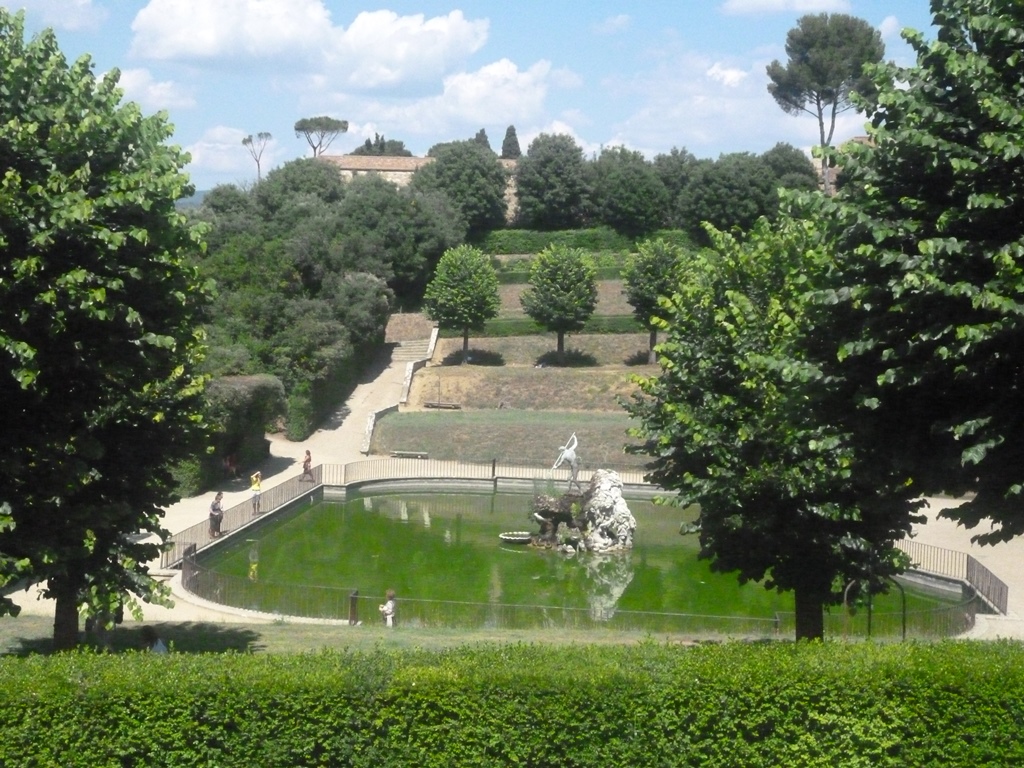
The Boboli Gardens


Discover the Magnificence of The Boboli Gardens in Firenze
Nestled behind the grand Pitti Palace in Florence, The Boboli Gardens stand as a testament to the exquisite beauty and rich history of Italian garden design. With its stunning green architecture, adorned with sculptures and grottos, this open-air museum has inspired European royal gardens for centuries.
A Historical Gem
The Boboli Gardens were established by the influential Medici family, who shaped the layout and created the Italian garden style that would become a model for many European courts. The gardens, with their vast green expanse and regular layout, offer a glimpse into the opulent lifestyle of the Medici dynasty.
Architectural Marvels
As you wander through the Boboli Gardens, you'll encounter a plethora of architectural wonders. The famous grotto, designed by Bernardo Buontalenti, is a must-see. Its intricate details and hidden chambers will transport you to another world. The gardens are also adorned with magnificent fountains, such as the Fountain of Neptune and the Fountain of the Ocean, adding a touch of grandeur to the already breathtaking landscape.
A Journey Through Time
The Boboli Gardens have evolved over the centuries, with subsequent dynasties like the Habsburg-Lorraine and Savoy families contributing to their development. The boundaries of the gardens were extended to flank the ancient city walls until Porta Romana, creating a seamless blend of nature and history.
Hidden Gems
Within the Boboli Gardens, you'll discover hidden gems that add to its allure. The Kaffeehaus, an 18th-century pavilion, stands as a rare example of Rococo architecture in Tuscany. Its delicate design and picturesque setting make it a perfect spot to relax and soak in the beauty of the gardens. Another gem is the Lemon House, built by Zanobi del Rosso in the late 18th century. This charming structure adds a touch of elegance to the already enchanting landscape.
A Feast for the Senses
Visiting the Boboli Gardens is a sensory experience like no other. The centuries-old oak trees provide shade and tranquility, offering respite from the warm Florentine sun in summer. In the fall, the changing foliage paints the gardens in vibrant hues, creating a picturesque scene. And in the spring, the air is filled with the sweet scent of blooming flowers, adding to the garden's allure.
When to Visit
The Boboli Gardens are a year-round attraction, each season offering a unique perspective. However, it's important to note that the gardens can get crowded during peak tourist season. To avoid the crowds, consider visiting early in the morning or during the shoulder seasons of spring and fall.
Conclusion
The Boboli Gardens in Firenze are a true masterpiece, combining nature, art, and history in one breathtaking setting. As you explore the gardens, you'll be transported back in time, experiencing the grandeur of the Medici dynasty and the subsequent dynasties that shaped this outdoor museum. Whether you're a history enthusiast, an architecture lover, or simply seeking a peaceful retreat, the Boboli Gardens will captivate your senses and leave you with lasting memories of Florence's rich cultural heritage.

Book a nearby experience
